It all began in the ordinary space of a bar when he came in as a customer, stroking the palm of my hand as he collected his change. It was an unsettling experience that instantly gave me the creeps, but the reality of stalking is that you don’t know it is an intrusion until it is too late.
You see, perpetrators often use these small, subtle physical actions to test your boundaries in fleeting moments. They’re checking to see if you will protest, freeze, or feel forced to accept their behaviour because you are working in a customer-facing role.
When these events unfolded, I was not studying business management or criminology. I was simply a young mum relying on raw untrained instinct, and learnt to try and stay one step ahead to protect us both. Forced into isolation by a perpetrator intent on making us invisible, I turned to the civil courts for an injunction, but instead of safety, I encountered systemic failures before, during, and after the court process. Thirty-two years later, that stalking continues today.
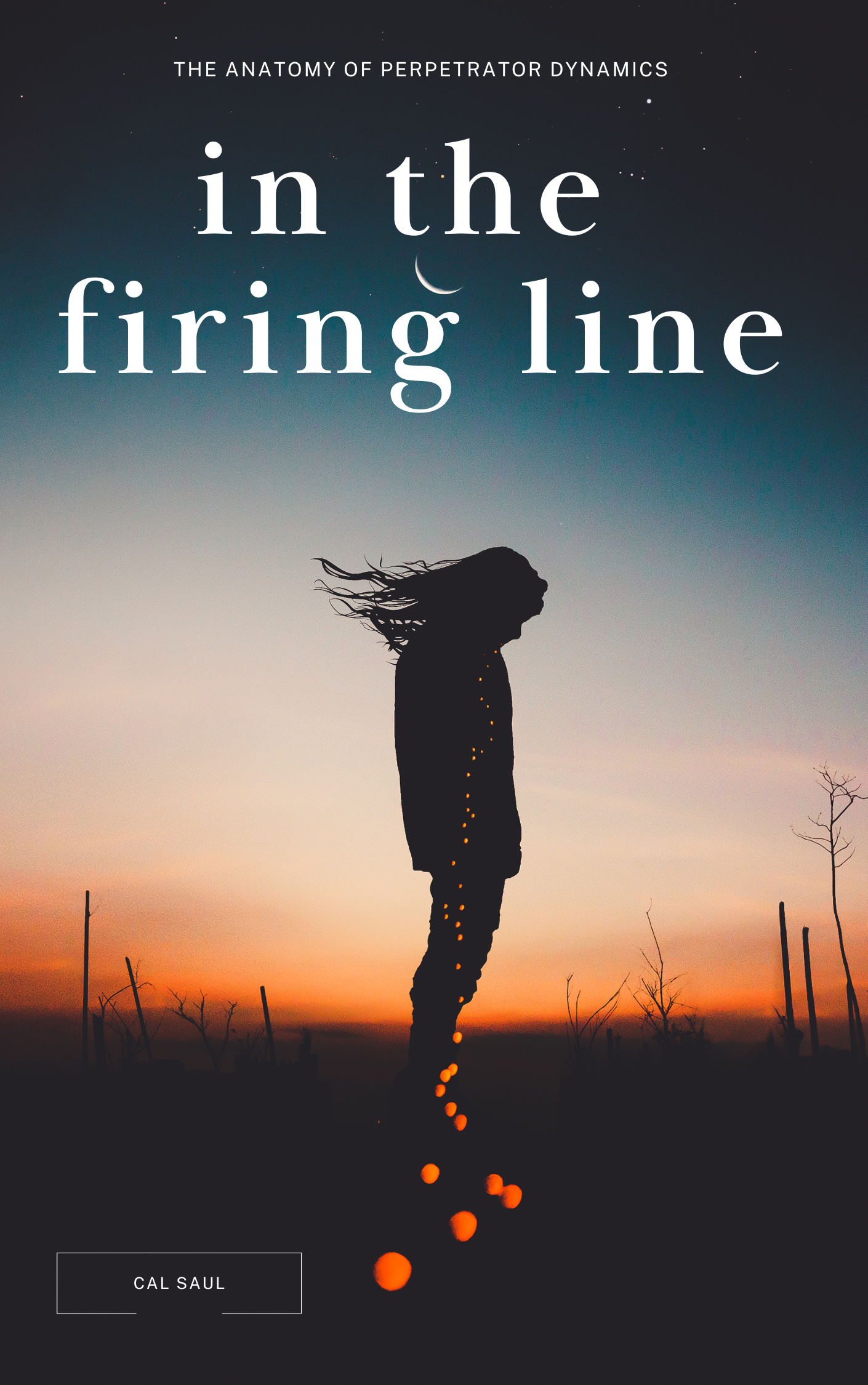
The book, In the Firing Line details this ongoing survival, bringing my personal journey together with my subsequent critical criminological research to lay bare the real gaps in safeguarding and wellbeing checks. It stands as a direct testament to what happens when victims are made invisible, and why finding ways to stay connected remains a matter of life and death.